
 View project
 Back to journal
Director Notes ·
What Blood Brothers taught me about the room
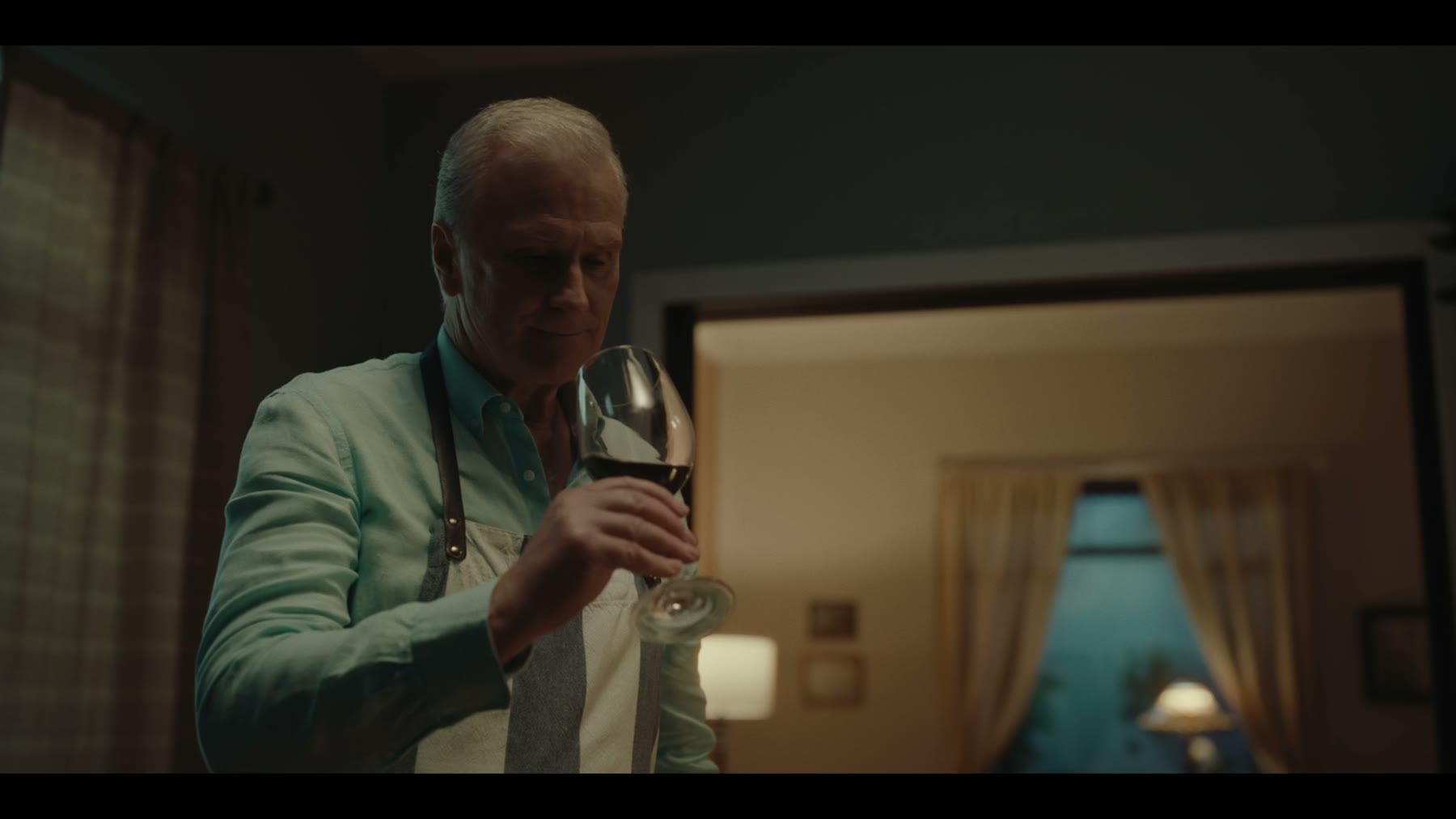
Blood Brothers is older work, and I can see the rough edges. I can also see an instinct I still recognize: keep the room contained, let the faces carry pressure, and use darkness without losing the person.
The house gave the scene pressure.
The film sits in a room that feels too small for the history between the brothers. I like that. A contained room forces the actors and camera to deal with what is actually happening instead of escaping into coverage.
When I look back at it, the strongest moments are the ones where nothing is trying too hard. The light is controlled, the room is heavy, and Roark and Corky have to sit inside it.
Harrison was shaping the image.
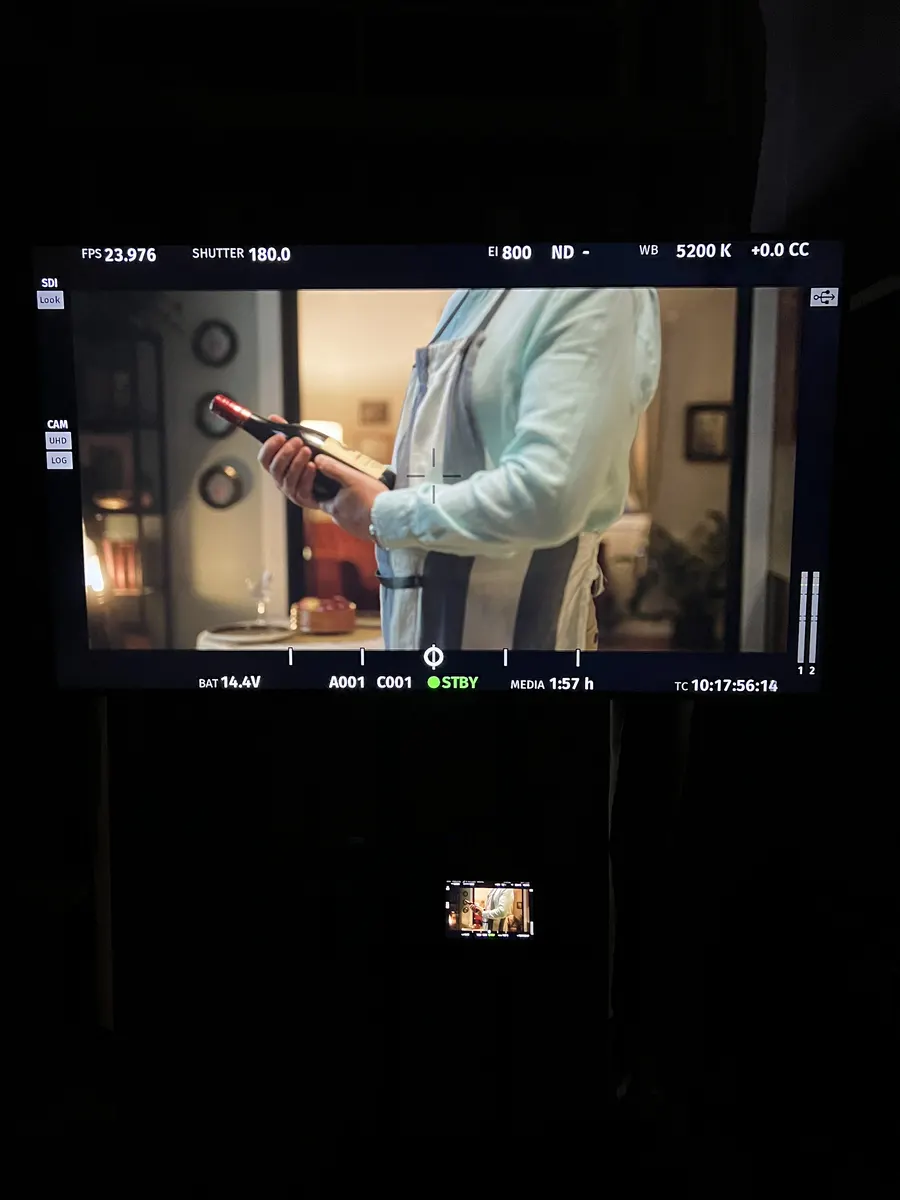
Harrison Mendel was the DP on Blood Brothers. The film matters to me as directing and writing work, and also as one of those collaborations where the look came from conversation: what can fall into shadow, what still has to read, and how much darkness the scene can hold.
I do not want the public record to blur that. My authorship is in the writing, directing, producing and the pressure I was asking the room to carry. Harrison's cinematography is a major part of why the frame still works.
Older work only stays when it still tells the truth.
I would not make Blood Brothers exactly the same way now. That is part of why it is useful. The older work shows what I was chasing before I had cleaner ways to talk about it.
What still holds up is the taste for contained spaces, controlled light and faces under pressure. That thread is still in the newer work, just with better decisions around it.
Related work
Projects beside the note.
View project