
 View project
 Back to journal
Director Notes ·
Directing The Letter in a small room
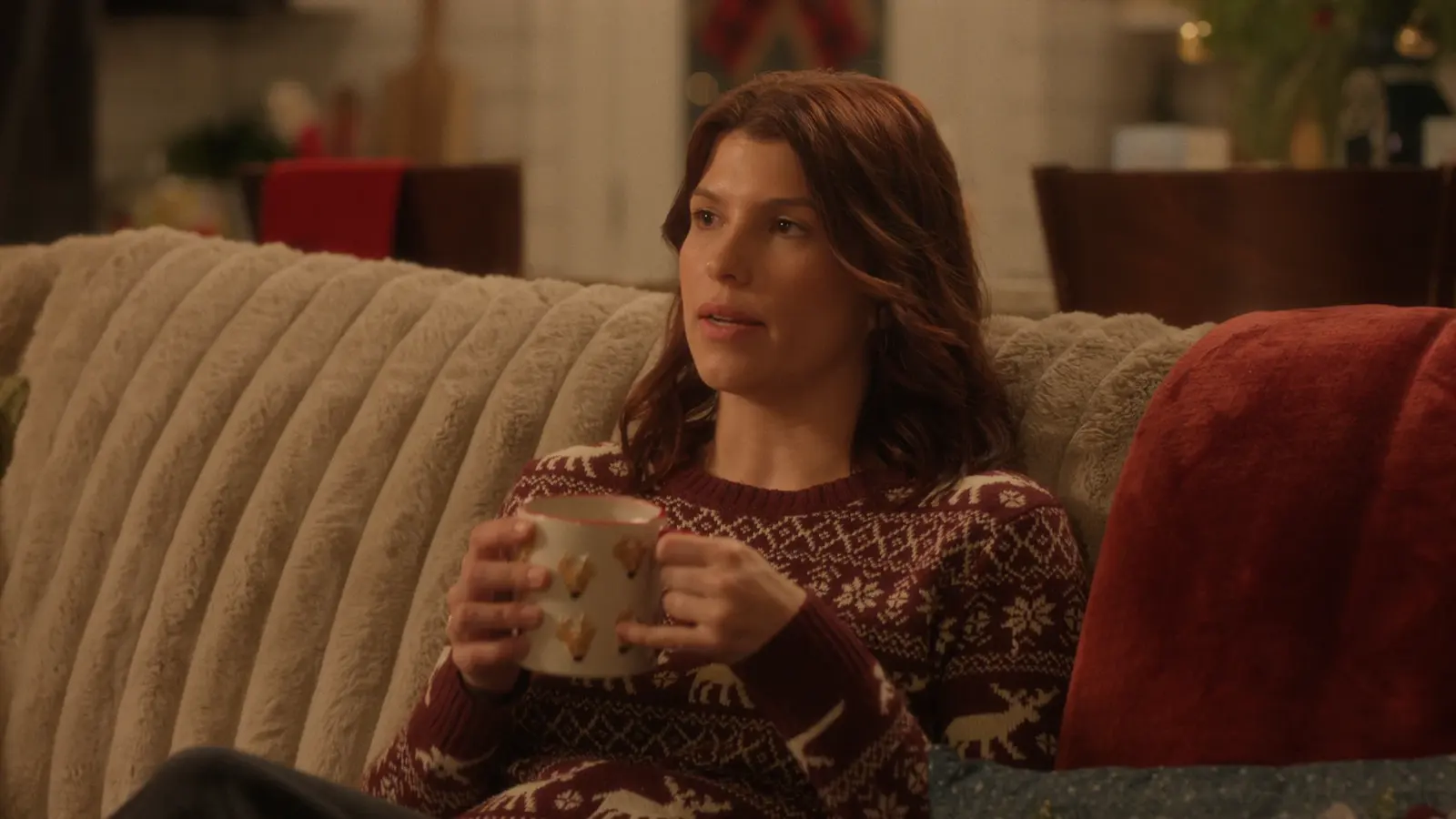
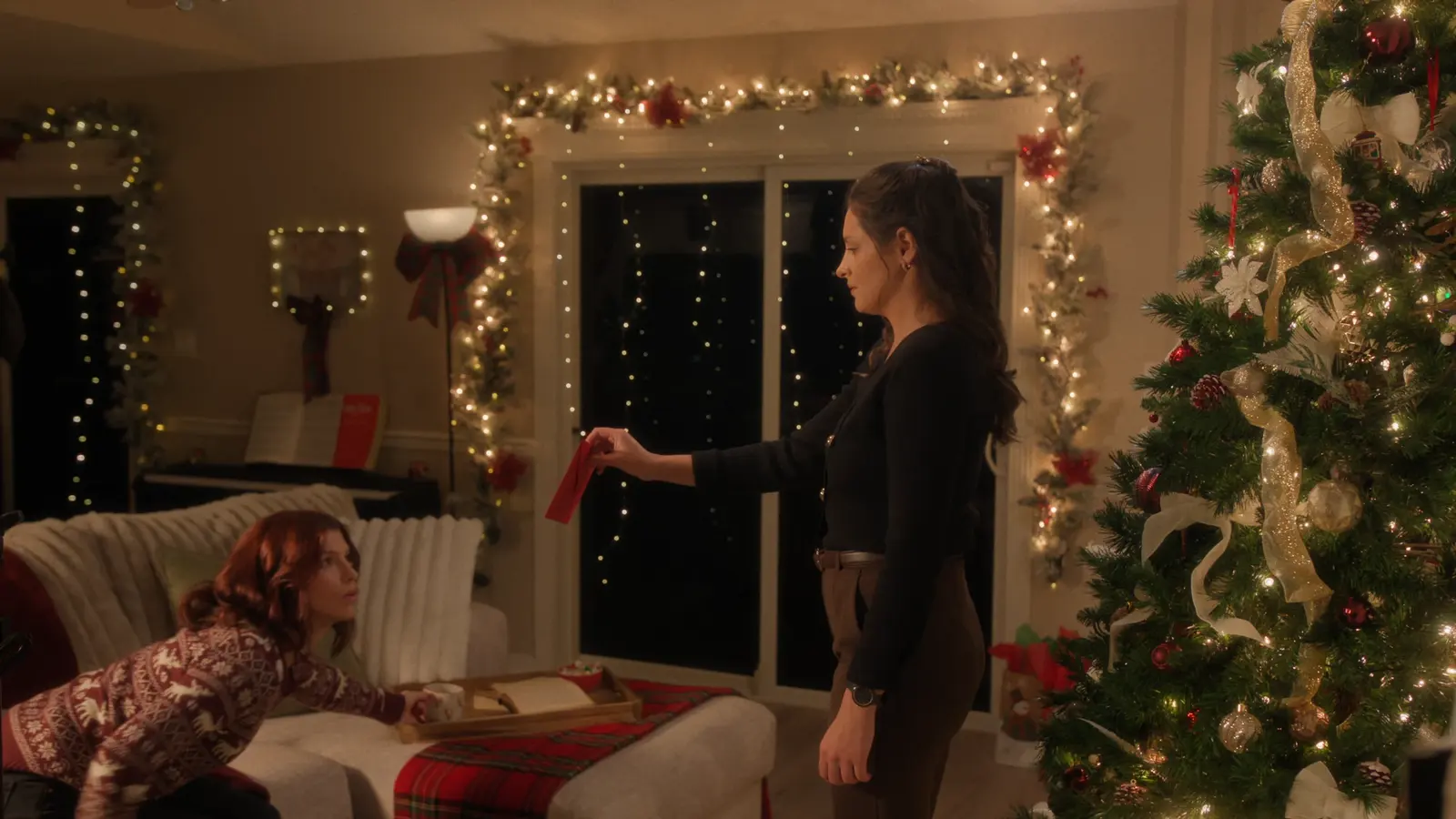
The Letter is useful to me because the scene is small enough that every choice shows. The room, the sisters, the letter and the Christmas practicals all had to carry pressure without making the film feel bigger than it was.
The room had to stay calm.
When a short is built around two people and one piece of paper, there is not much room for noise. I wanted the camera to let the silence sit there instead of decorating the conflict.
That meant thinking about where the sisters could sit, how long the frame could hold, and how much the room could say before anyone spoke.
Harrison Mendel was the DP.
I want that credit clear. Harrison Mendel was the director of photography on The Letter. My part was directing the scene, talking through the light and blocking with him, and making sure the frame served the relationship instead of the setup.
Those conversations are where I feel most useful as a director: not claiming every department's work, but pushing everyone toward the same emotional pressure.
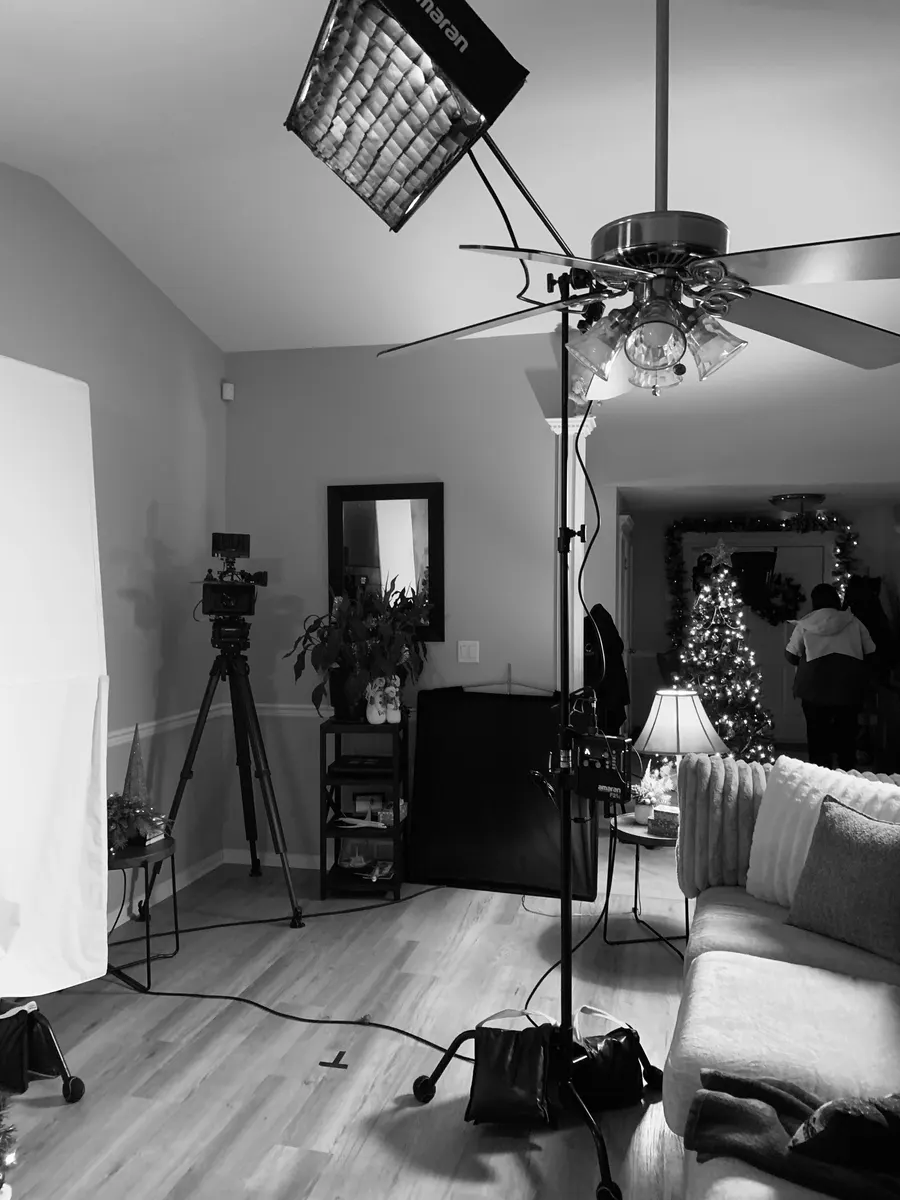
The finished frame needed to feel chosen.
The film was made quickly, but I did not want it to feel rushed. I wanted the colour, blocking and stillness to do fewer things better.
That is usually the work I trust more now: a small scene, a clear pressure, and no extra movement unless the moment asks for it.
Related work
Projects beside the note.
View project