 View work
 ← Back to journal
What Ginny's Story was really carrying
Seeing Ginny Becker again at the 2026 BC Leo Awards brought me back to what Ginny's Story was actually about: seeing the human cost inside a system, helping tell it clearly, and staying connected to the people who trusted me with the work.
The film follows the system around the child.
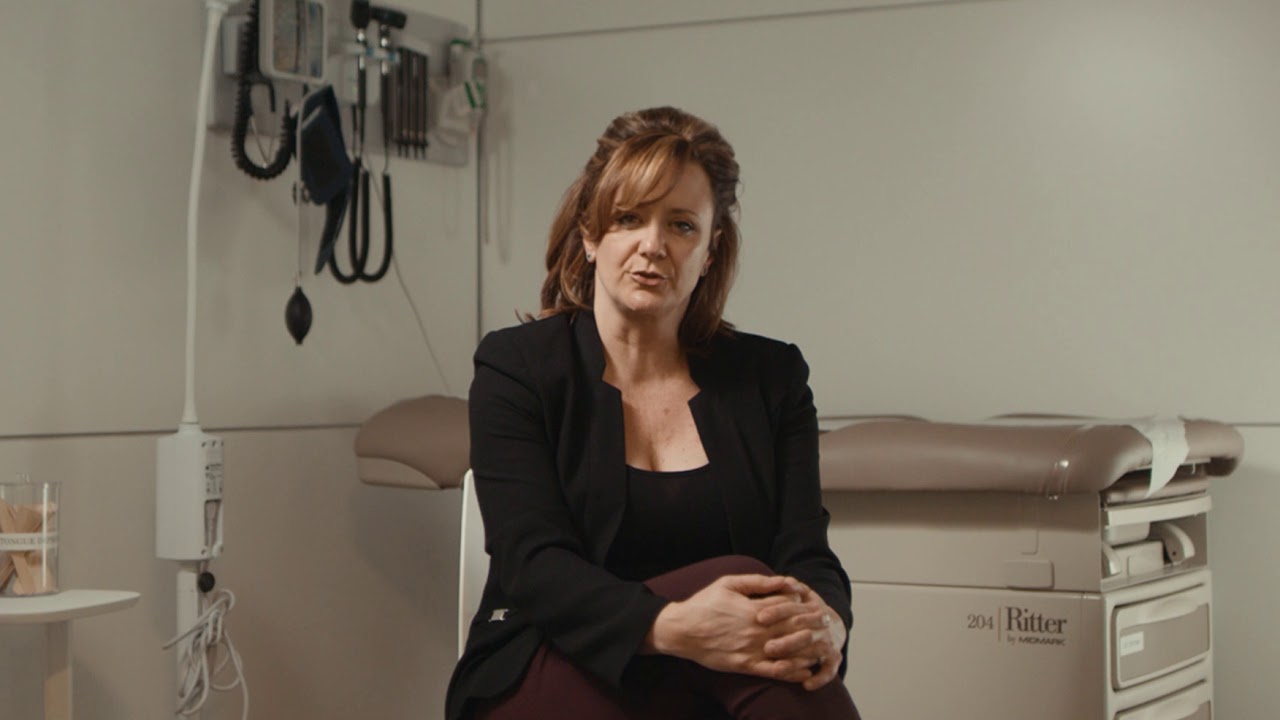
Ginny's Story is not a single-room interview piece. Ginny tells the audience to imagine a seven-year-old child after disclosure: the teacher, the ministry, the RCMP, the police detachment, the medical evidence exam outside Kelowna, and then the repeated retelling to social workers, counsellors, doctors, Crown prosecutors and detectives.
The point of the film is that every extra room and every extra adult can make the child carry the story again. My job was to see that clearly, stay sensitive to the subject, and help the film make the need for a Child Advocacy Centre impossible to miss.
The CAC idea was the answer.
The alternate future in the film is the Child Advocacy Centre: one first call, one coordinated table, and a team built around the child's needs instead of the child being moved through the system alone.
That is why the story mattered. It was advocacy, but it still needed film craft: restraint, pacing, trust, and enough control to keep the audience with the child instead of with the production.
The connection is the relationship.
Seeing Ginny again at the 2026 BC Leo Awards did not make the connection about credits or company structure. It reminded me that the work I care about often starts with sensitivity: noticing the real story, helping when I can, and keeping respect for the people who trusted me.
That is the part that still feels current. A film from 2019 can come back years later because the relationship stayed human after the delivery date.
Related work
Projects beside the note.
View work