
 View work
 ← Back to journal
The camera has to earn the interview
Looking back at older documentary and interview work makes me slower in a useful way. A frame can be careful and still be cinematic, but it has to earn the room before it starts taking anything from it.
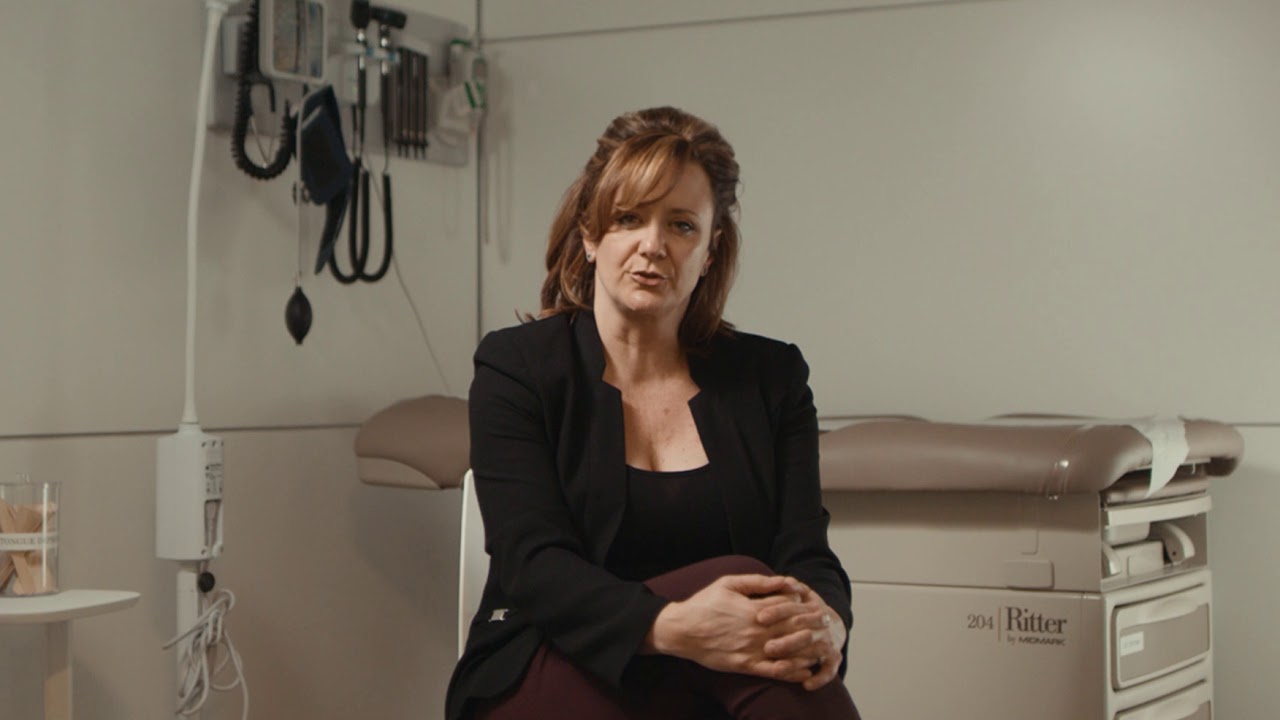
An interview still needs shape.
Trust does not mean leaving the scene shapeless. The question, the eyeline, the chair, the light and the silence all change what a person is able to give.
For Ginny's Story, the subject matter needed a calm room and a measured image. The camera had to stay clear enough for the story to be heard, without making the difficult parts feel staged.
Field work asks for a different kind of patience.
Kingfisher was not an interview in the same way. It was teaching, walking, demonstration and place. The job was to keep the lesson alive without turning every piece of coverage into a production flourish.
I like field documentary work when the camera can stay curious. Hands, tools, water, maps and weather can carry information if I give them enough room.
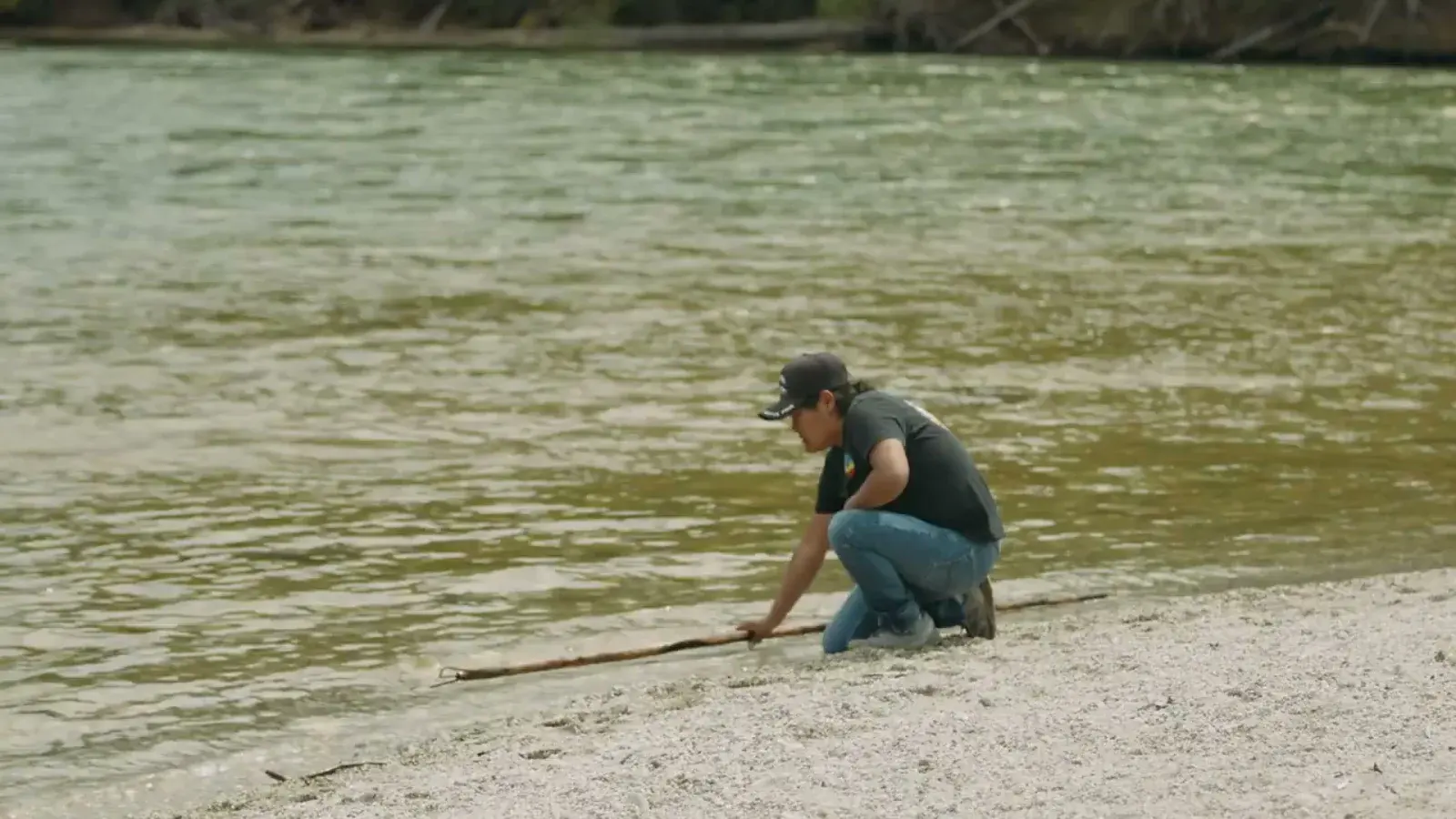
Older work needs the right distance.
When I write about older projects, I do not want to pretend they are new. The useful part is the lesson that survives: how close the camera should be, when it should step back, and what kind of attention a person or place is asking for.
Because She's Adopted sits there for me too. I can talk about it as part of the documentary record, but the lesson I keep is restraint: a personal story should not have to carry more public weight than it needs to.
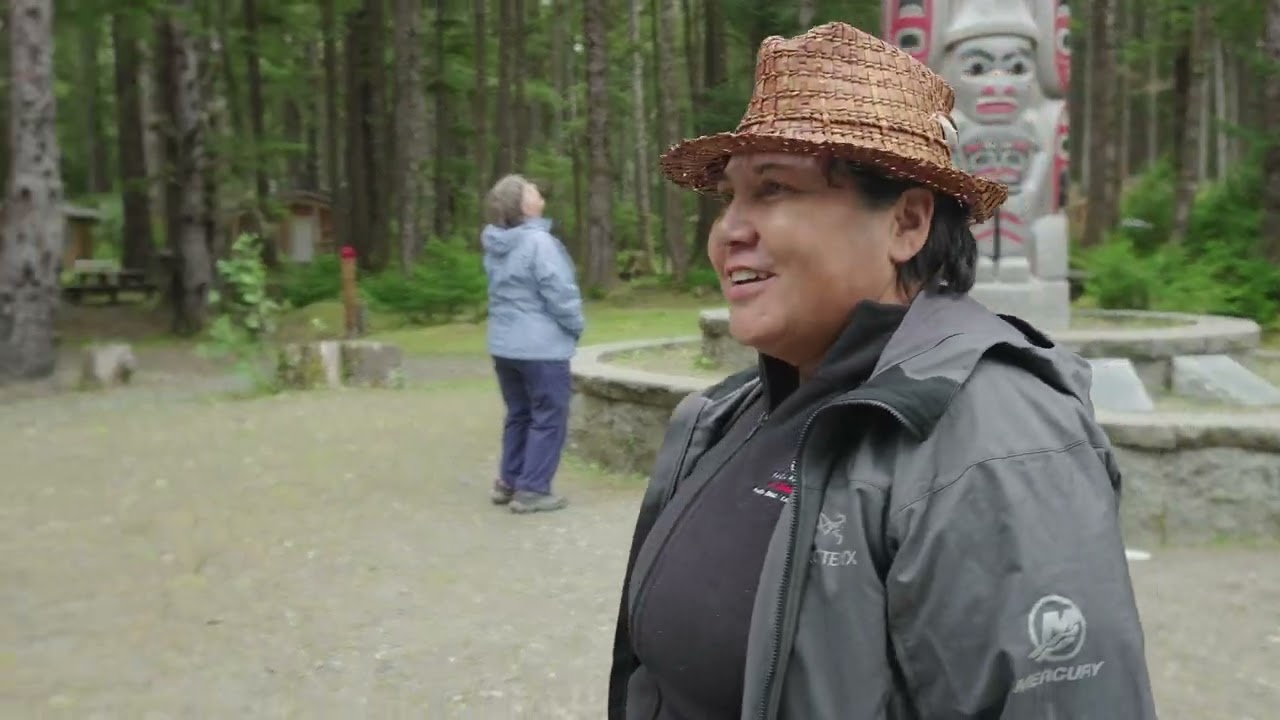
Place can carry the interview too.
Some projects ask for landscape and observation more than a room. Haida House was built from place, movement and quiet invitation, so the camera had to let the coast and the experience speak before it pushed a point.
That kind of work still belongs beside the interview notes for me, because the same rule applies: the image has to listen before it leads.
The image has to give something back.
The rule I keep coming back to is simple: do not spend a person's trust just to make the shot feel more impressive. If someone is trusting me with a story, the image has to protect some of that trust.
That can look quiet. It can look practical. It can also be the strongest visual choice, because the person on screen still feels like a person when the scene is over.
Related work