
 View project
 Back to journal
Cinematography ·
Lighting for restraint, faces and mood
I use light to decide what the scene is willing to show and what it still wants to hide.
I like light that leaves something unsaid.
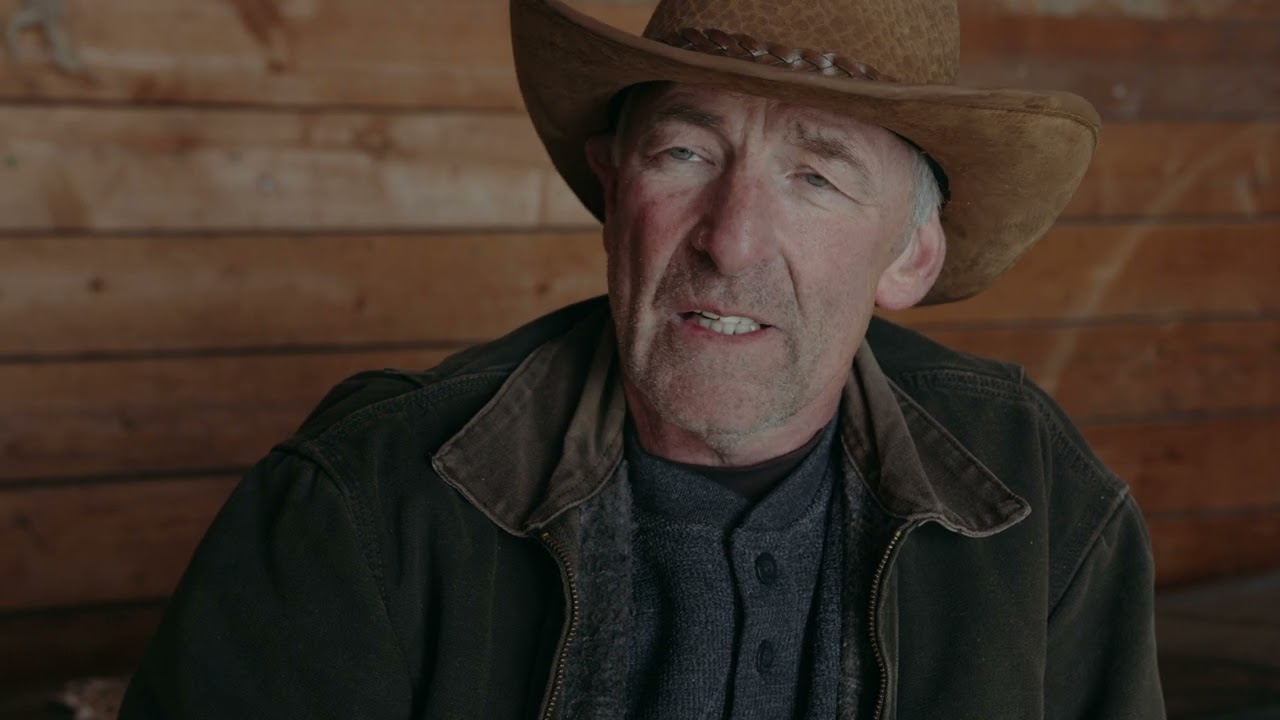
The most useful light is rarely the brightest thing on set. I am usually more interested in what the scene is holding back: hesitation, embarrassment, grief, desire, pride, fear or the small silence before someone finally speaks.
Shadow can be useful. Negative space can be useful. A practical lamp, a doorway or a window can carry more feeling than a larger setup if it gives the face a place to live.
Mood still has to give actors room.
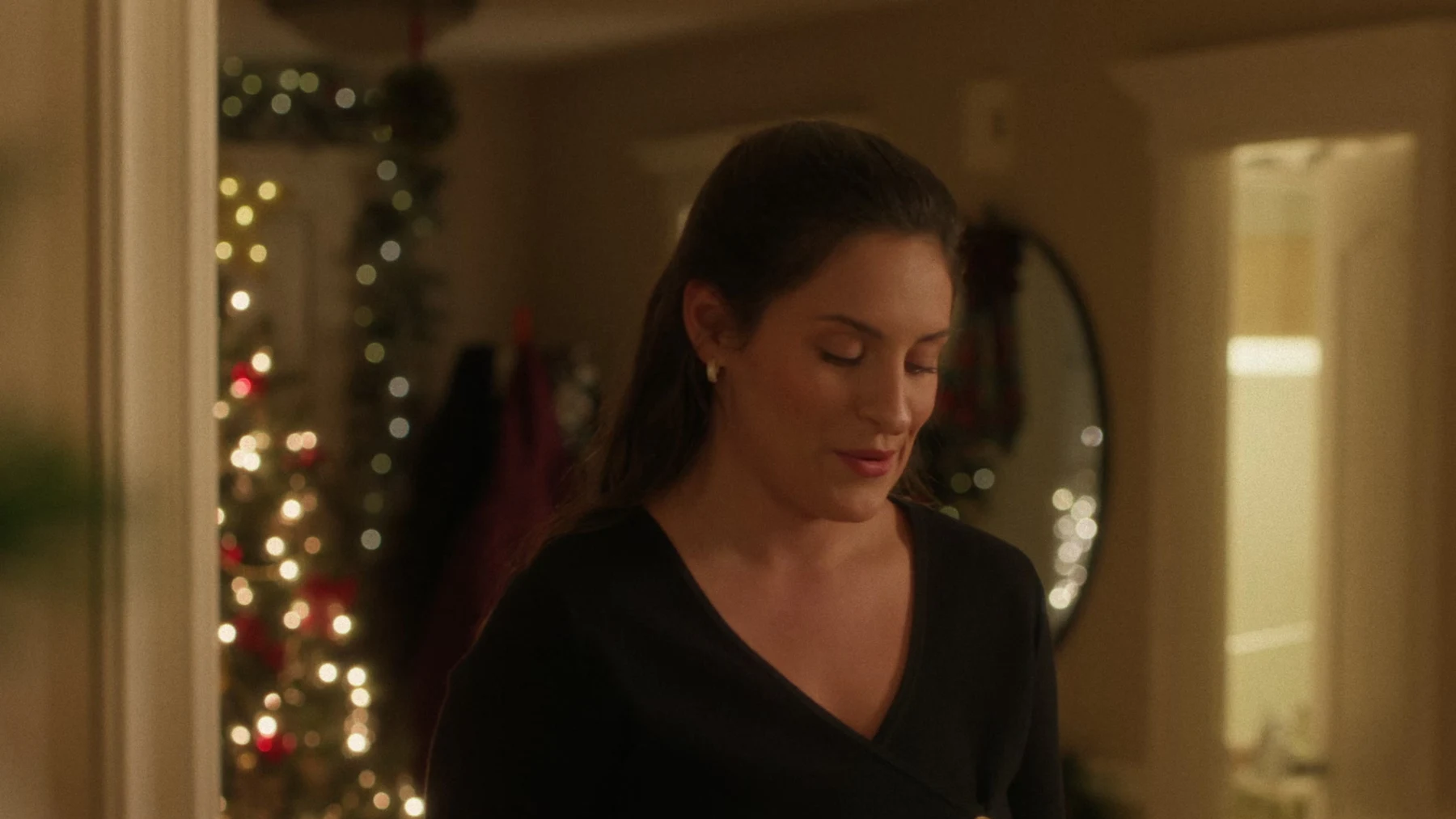
A frame can look beautiful and still be wrong for the actor. The image has to give the performer enough room to move, breathe and stay connected to the other person in the scene.
That balance matters to me as a director and DP. I want the lighting to create a world, but I do not want it to trap the performance inside a pretty still.
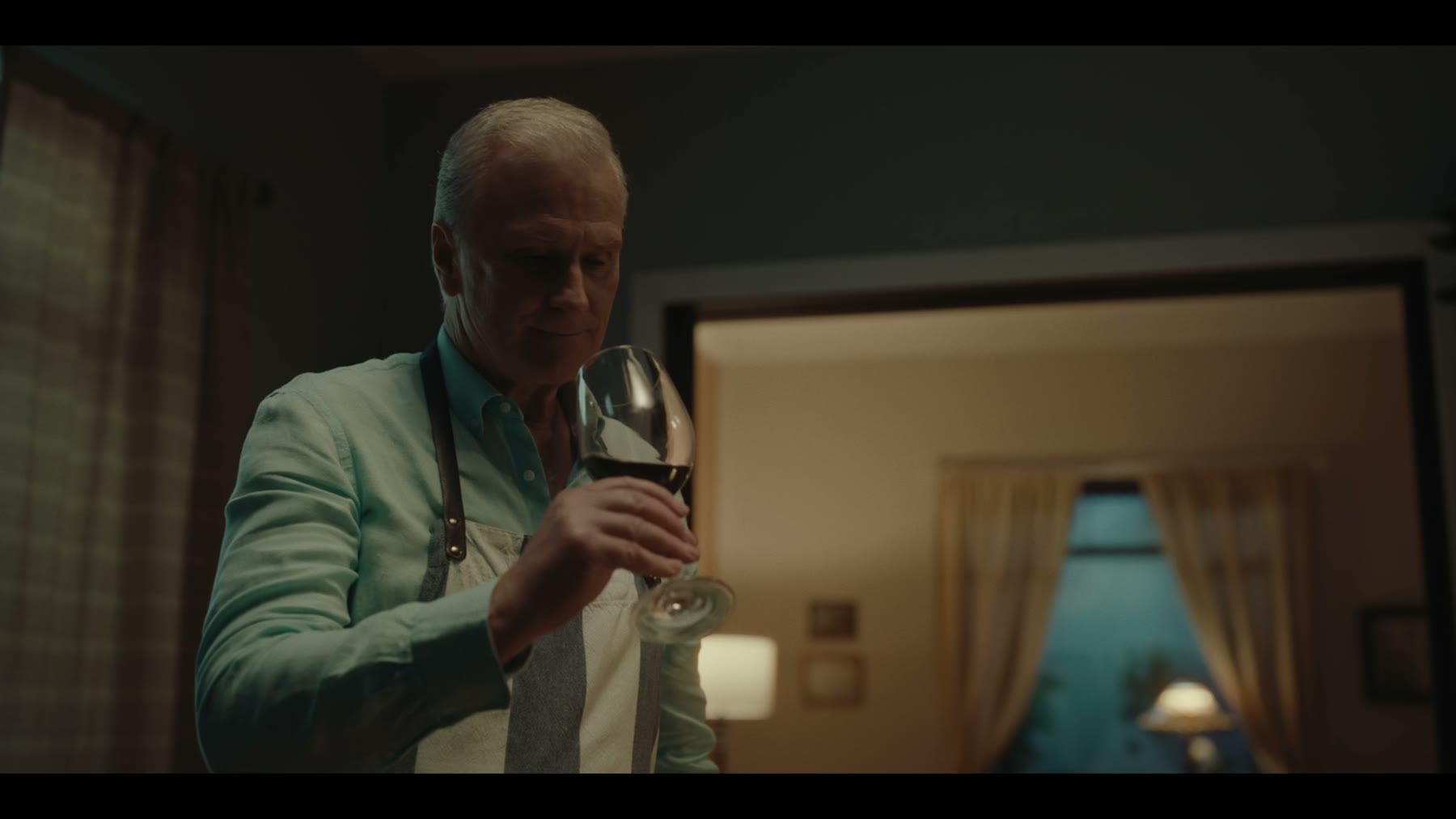
A smaller shoot needs fewer, stronger decisions.
When time, crew and money are limited, the answer is not to make every frame busier. The answer is to choose the shape of the scene sooner: where the attention lives, what can fall away, and what the moment needs before anyone explains it.
That is where restrained lighting becomes practical. It lets a smaller production feel chosen instead of thin.
Related work