
 View work
 ← Back to journal
A film needs its own rules
The first half of Team Deakins' conversation with Steven Soderbergh stayed with me because it kept returning to a practical question: what is this film trying to be, and what rules will help us make it that way? Vision is not separate from execution. It has to reach the actors, the camera, the room, the schedule and the edit.
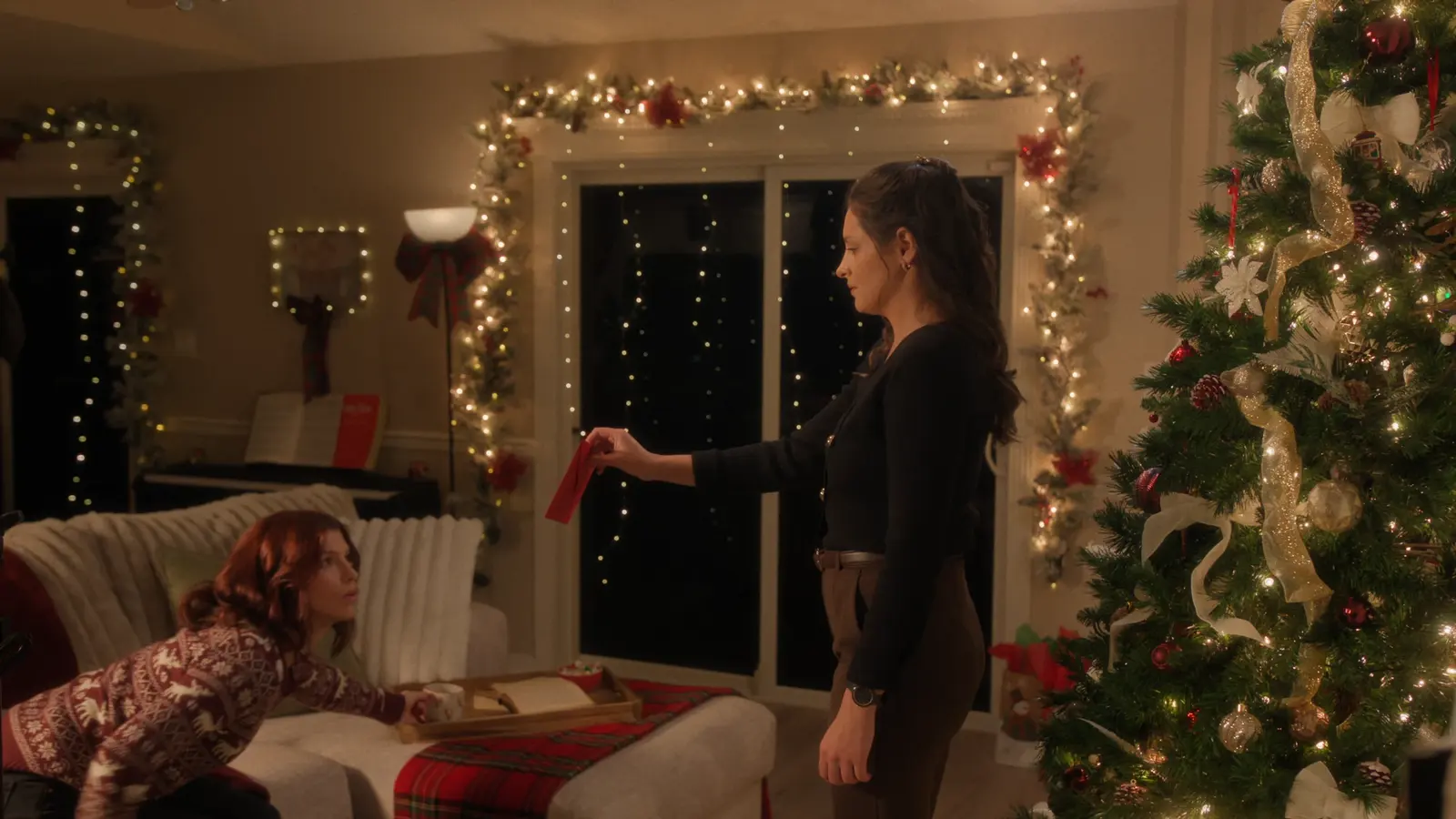
The film needs its own grammar.
The Team Deakins conversation with Steven Soderbergh describes his habit of finding a basic grammar and a set of rules for each film. That is the idea I keep returning to. The rule is not a house style laid over every project. It begins with listening to the particular film in front of you.
A vision can sound abstract until it becomes a decision. Where can the camera sit? When should it move? What should the audience be allowed to see? How much explanation can the performance replace? The answers should not advertise the director. They should make the film more itself.
I do not hear that as an invitation to copy Soderbergh's catalogue or turn his process into a formula for mine. What stays with me is the discipline of finding the film's own language before the day starts making those decisions for you.
The rules have to reach the room.
Vision only becomes useful when the people making the film can work with it. It has to affect blocking, performance, camera position, light, production design and pace. Every department is doing different work, but the choices need to feel as though they belong to the same film.
That does not mean the director does every job. It means the director keeps returning to the same pressure: what are we asking the audience to notice, and what can we remove so they can notice it? A clear rule gives collaborators something specific to respond to instead of a cloud of adjectives.
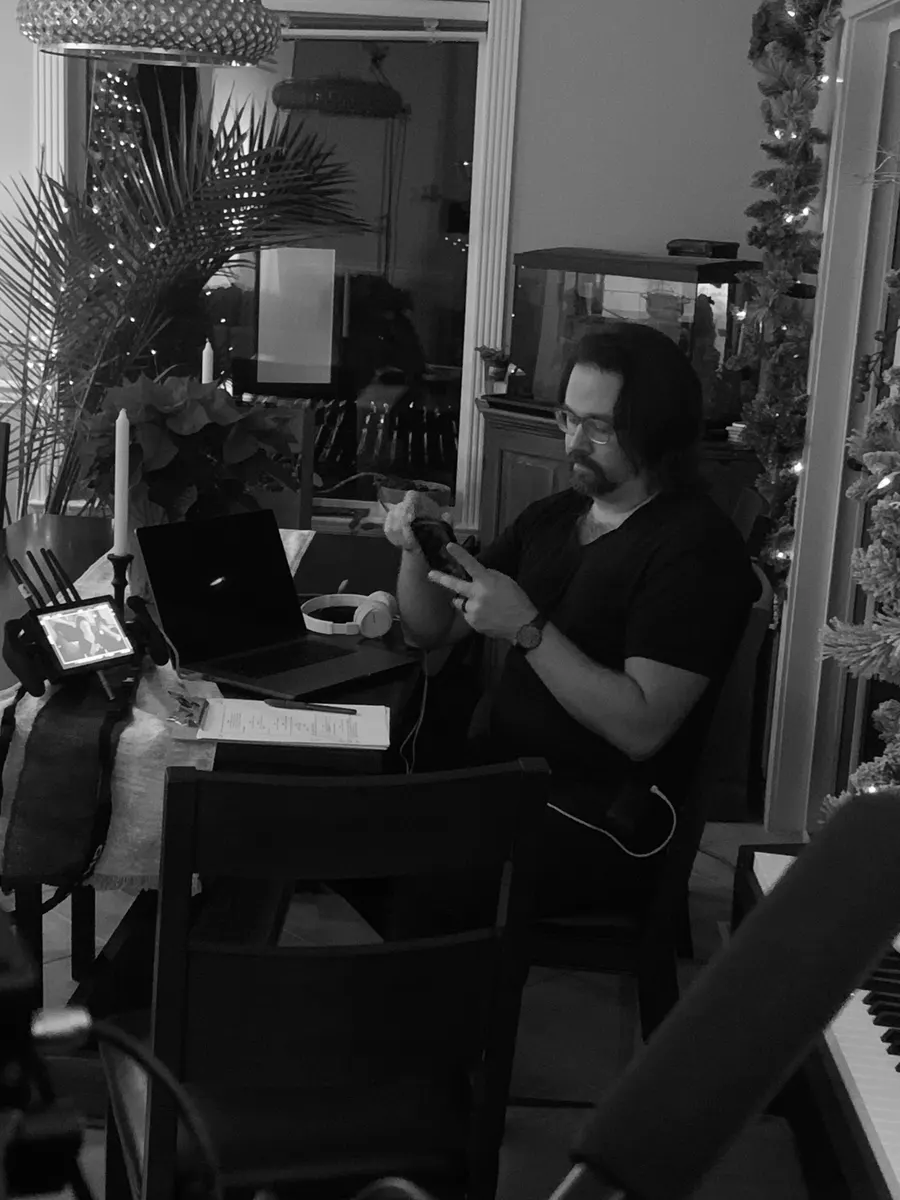
Execution is where a film can drift.
A schedule naturally pulls a production toward safety. It asks for coverage, options and one more angle. Sometimes those things are necessary. The danger is collecting material that solves the day while weakening the film's point of view.
A useful rule helps decide when to protect a performance beat, when a move has earned its place and when another setup will only repeat information. Clean execution is not the absence of ambition. It is the confidence to spend time on the choices that carry the vision and to stop decorating the ones that do not.
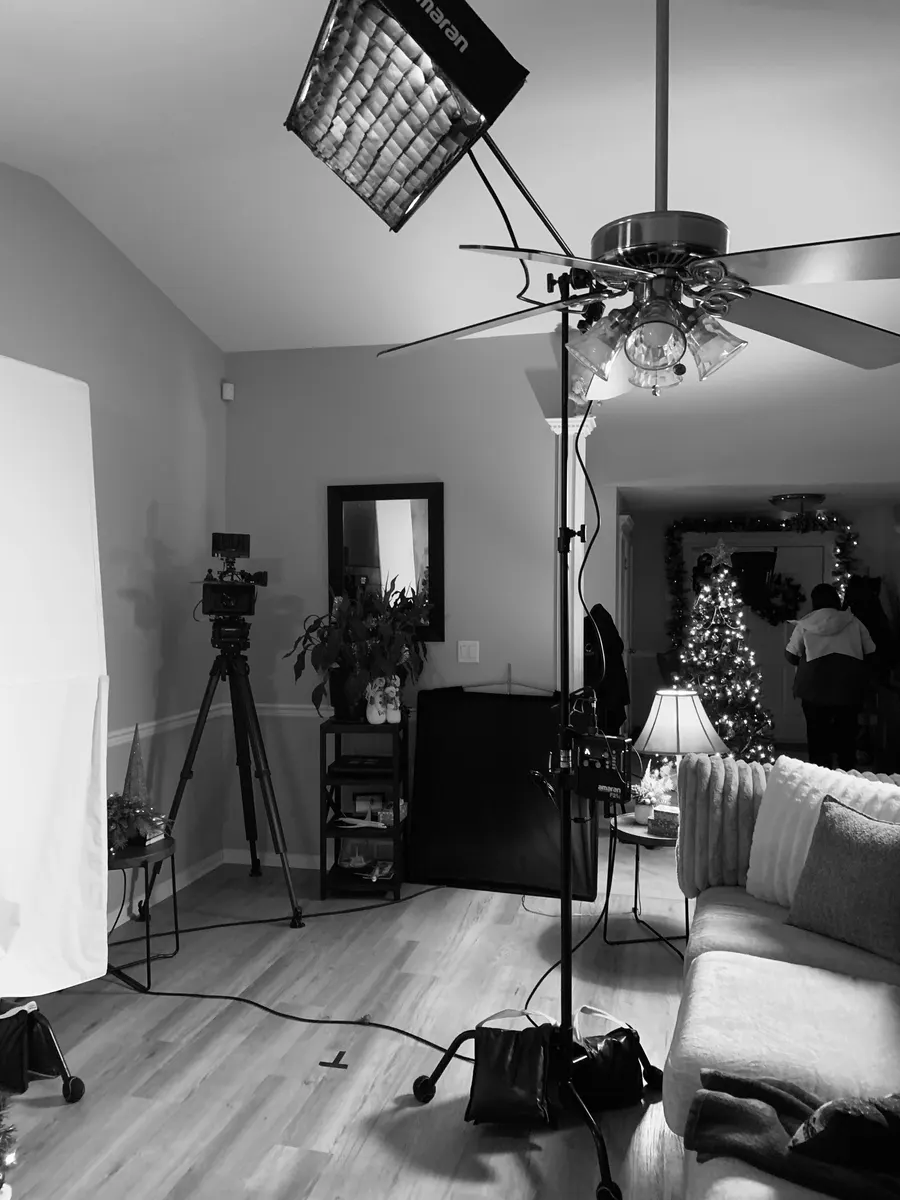
The edit is the final test of the rules.
The edit shows whether the grammar was real or only something we said in prep. A frame may be beautiful and still interrupt the film. A pause may need more space than the plan allowed. A scene may become clearer when the coverage is reduced rather than expanded.
This is where vision cannot become rigidity. The point of a rule is not to defend the original plan at any cost. It is to know why the plan existed, so a change can serve the same intention instead of quietly replacing it.
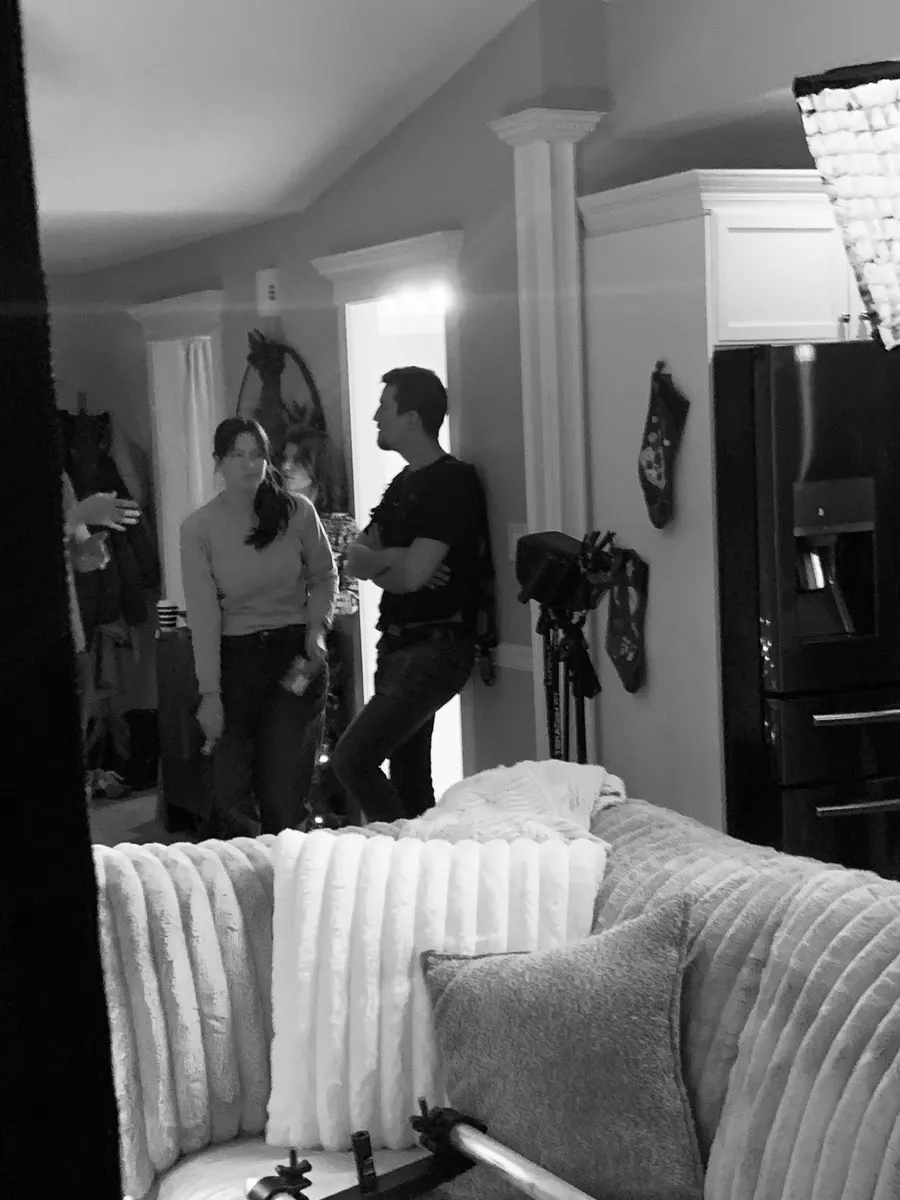
The question I want to keep asking.
The question is not, “What would Steven Soderbergh do?” It is, “What does this film need?” The answer may lead to stillness or movement, polish or roughness, a carefully controlled frame or a looser one. The result changes because the film changes.
What stays constant is the responsibility to carry the answer all the way through. Vision is not the sentence at the top of a treatment. It is the chain of practical choices that lets the finished film feel as though it could only have been made this way.
Selected work
Related projects.
View work