
Why I kept the camera still in Mabel
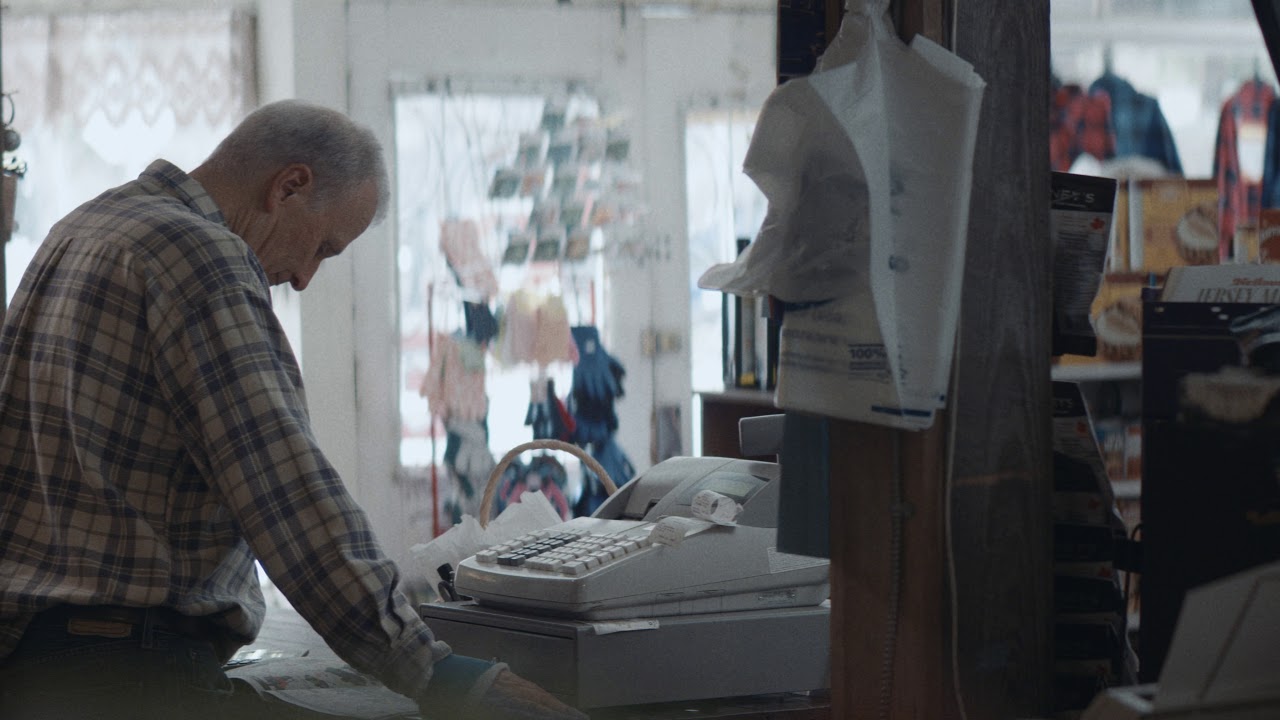
In Mabel, I wanted to keep the camera still so the final pull-away would have more impact. Looking back at the short I wrote and directed in 2018–2021, that decision is a useful example of how I think about movement: work out what it means for the story before the shoot.
Save the movement for a reason
My plan for Mabel was to avoid camera movement until the last shot, when we pull away from the actor. I wanted the stillness before it to make that final movement more impactful.
I take camera movement seriously. Moving in, moving out or using a wide lens needs to relate to the narrative. Without a clear reason, movement can take me out of a story. Mabel gave me a specific rule to work with: save that change for the end.
Know the frame before shooting
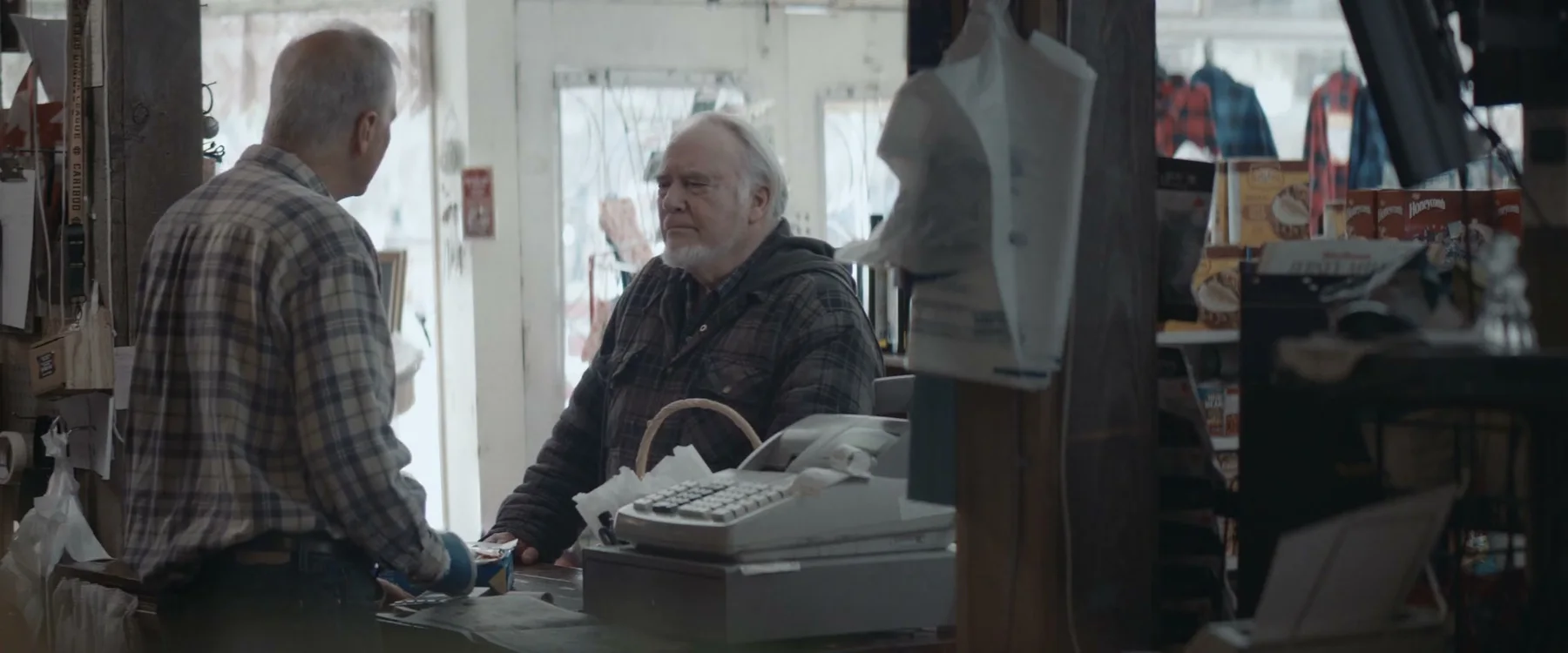
Rehearsal is part of figuring this out. I want to know what I am looking for in a frame before I shoot it: where the actor is positioned, what the light might be doing, and how the space relates to the scene.
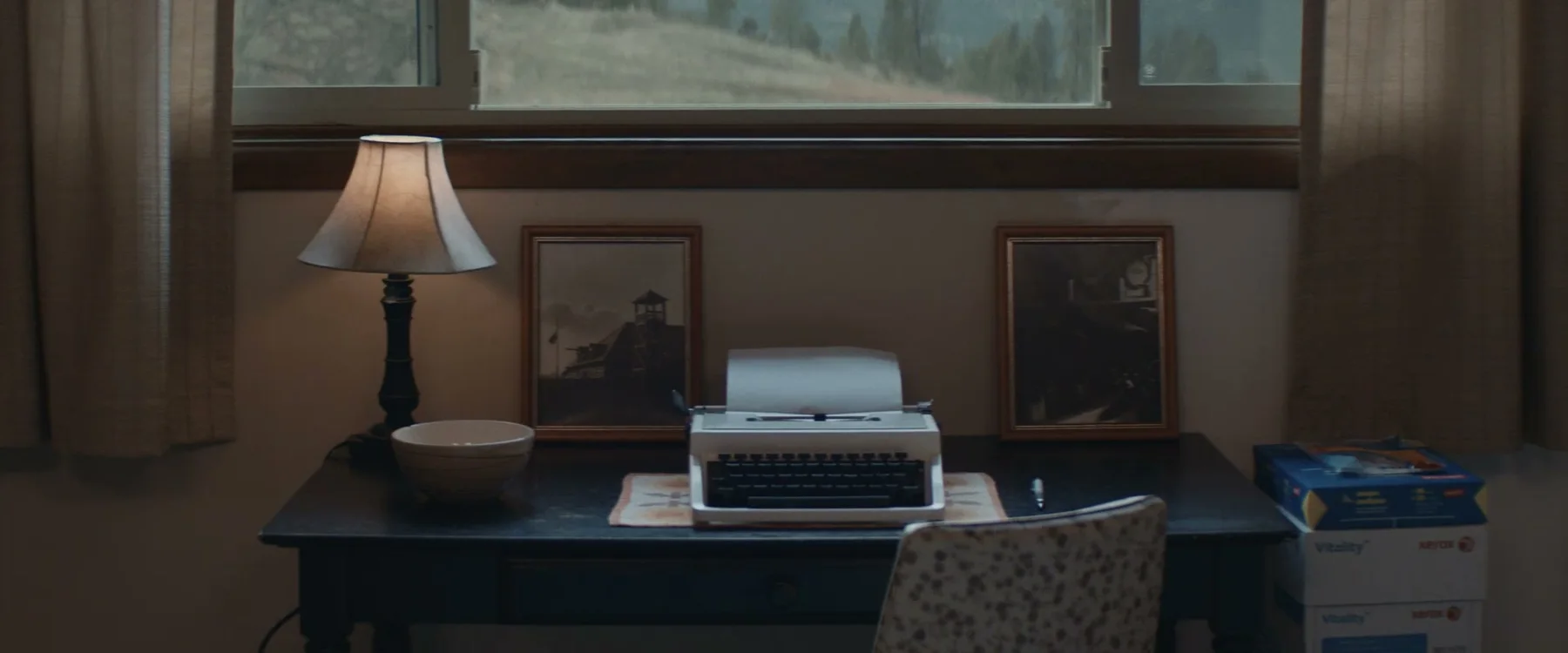
The moment, tempo and importance of a shot help me decide when to get wider and when to get tighter. An insert can give an important prop more attention or provide a humorous break. Those are choices I want to understand alongside the performance, before reaching for another camera move.
Watch the final change
Watch how the camera’s relationship to the actor changes at the end of Mabel. That final pull-away is the movement I was saving.
The Mabel project page includes more frames and the full cast and crew credits.