
 View work
 ← Back to journal
What I learned filming at Kingfisher
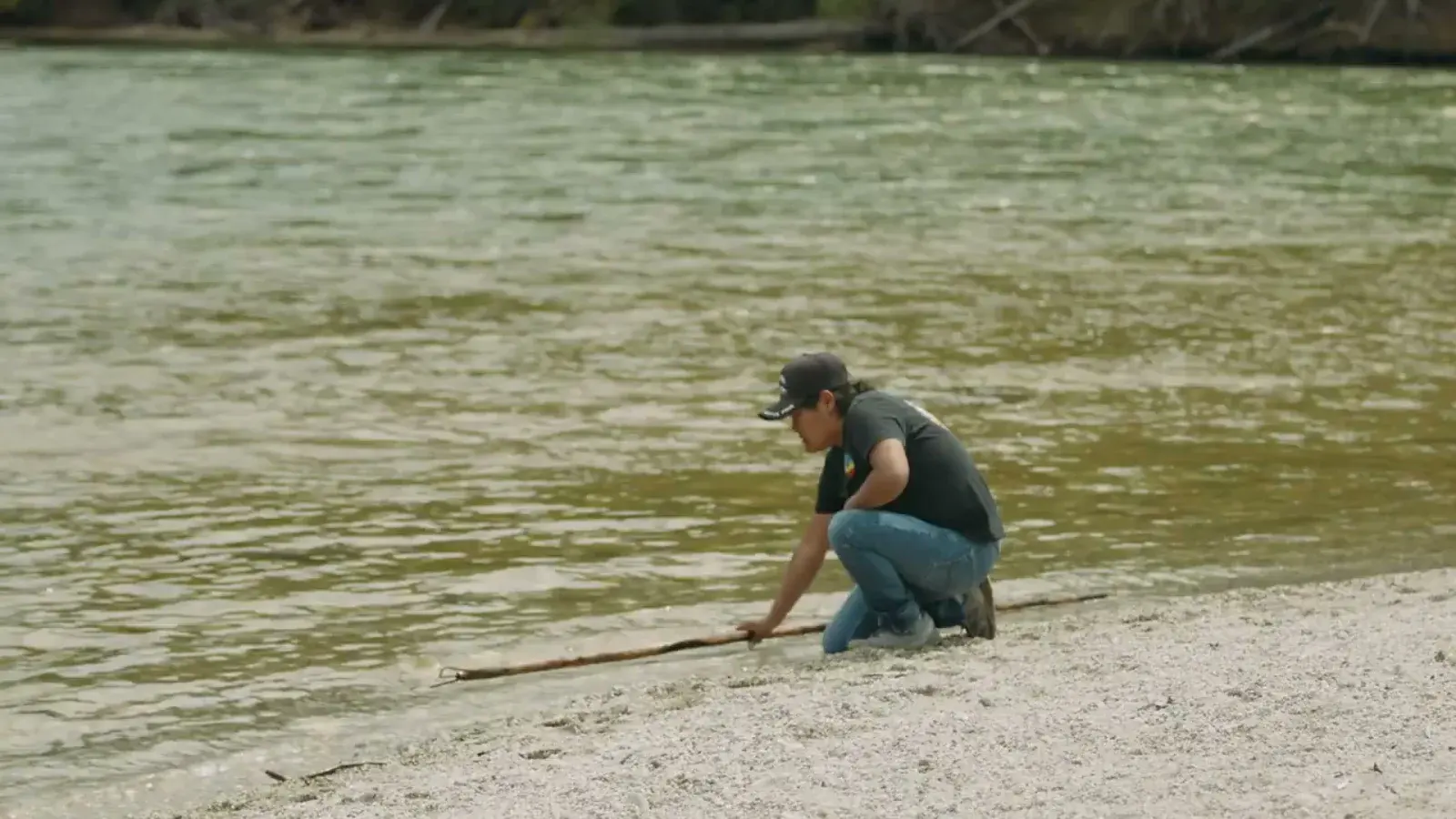
In 2020, I spent two days at Kingfisher Interpretive Centre filming a seven-part education series beside the Lower Shuswap River. I arrived with cameras. I left knowing far more about salmon, trees and watersheds than I expected.
Seven lessons in two days.
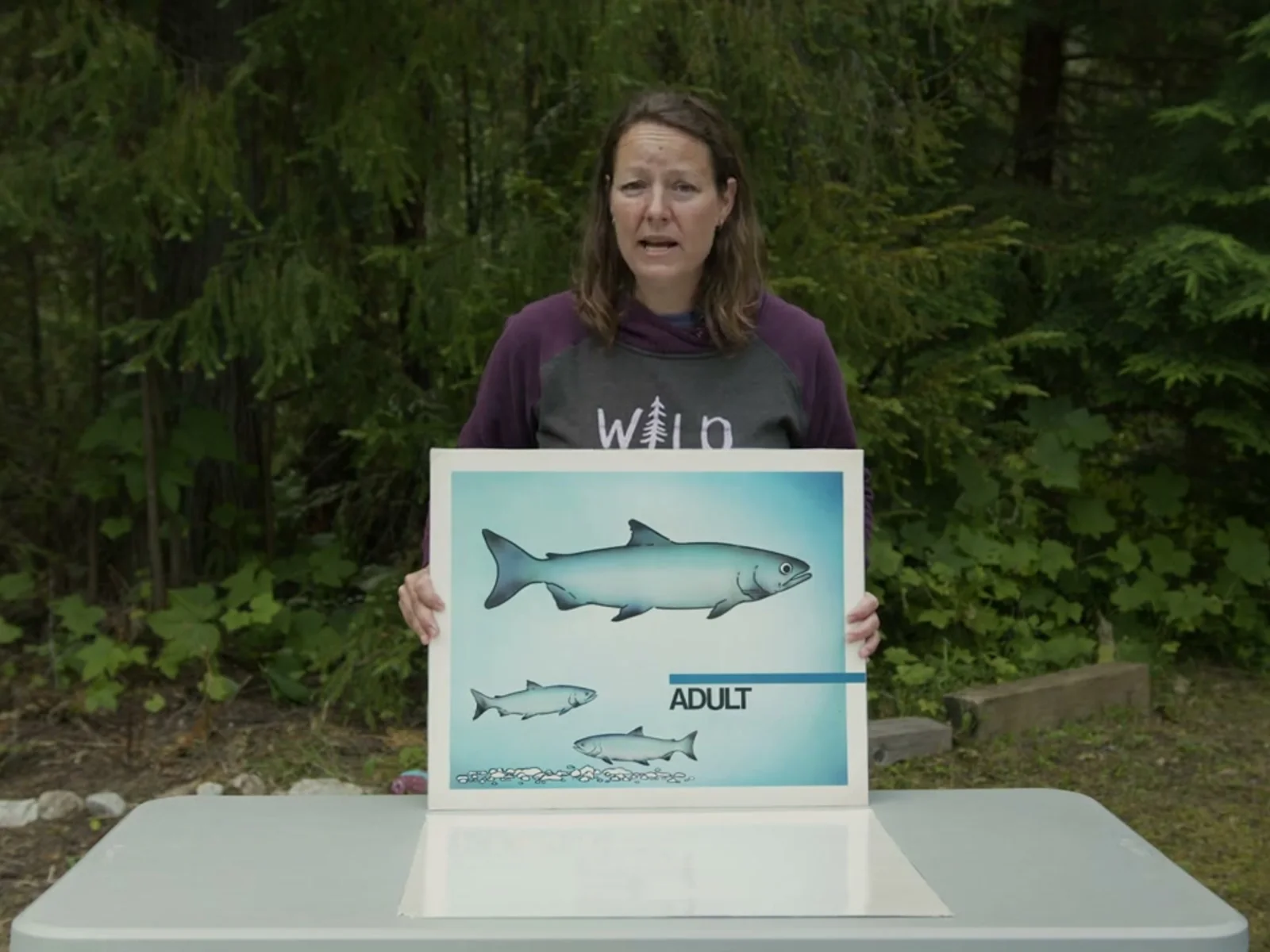
Kingfisher was building an online field trip at a time when classrooms could not visit as usual. The series moved through salmon anatomy, bugs, the Interior Temperate Rainforest, watersheds, traditional fishing practices and the salmon lifecycle.
I directed, produced, filmed and edited the series. Each finished lesson stands on its own, but the river, forest, teaching stations and people keep it rooted in a real place.
The people made the place easy to enter.
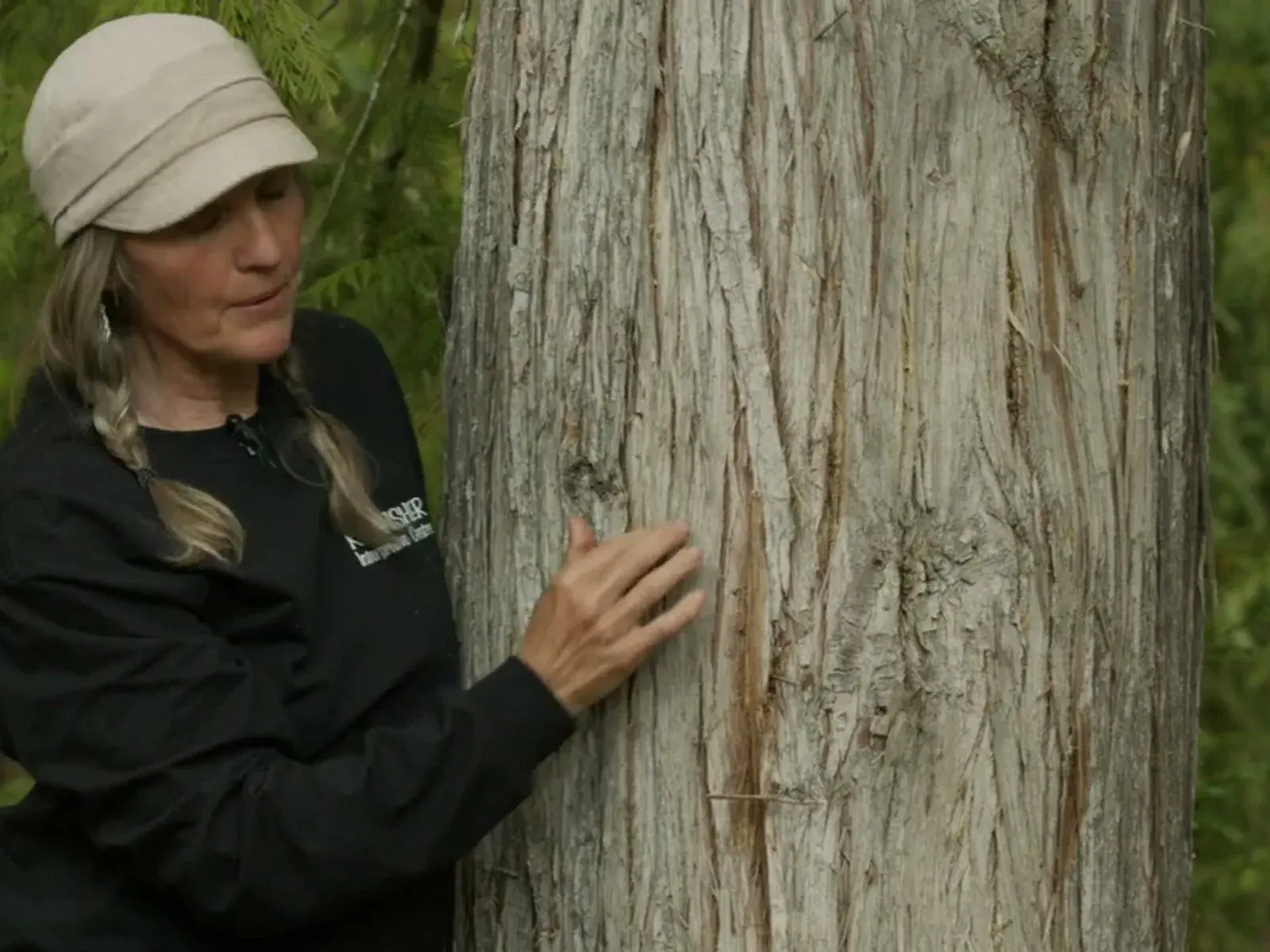
At the end of the shoot, the team asked what the two days had been like. I called it an adventure. The site was surrounded by nature, and people who had been strangers at the beginning felt like friends by the end.
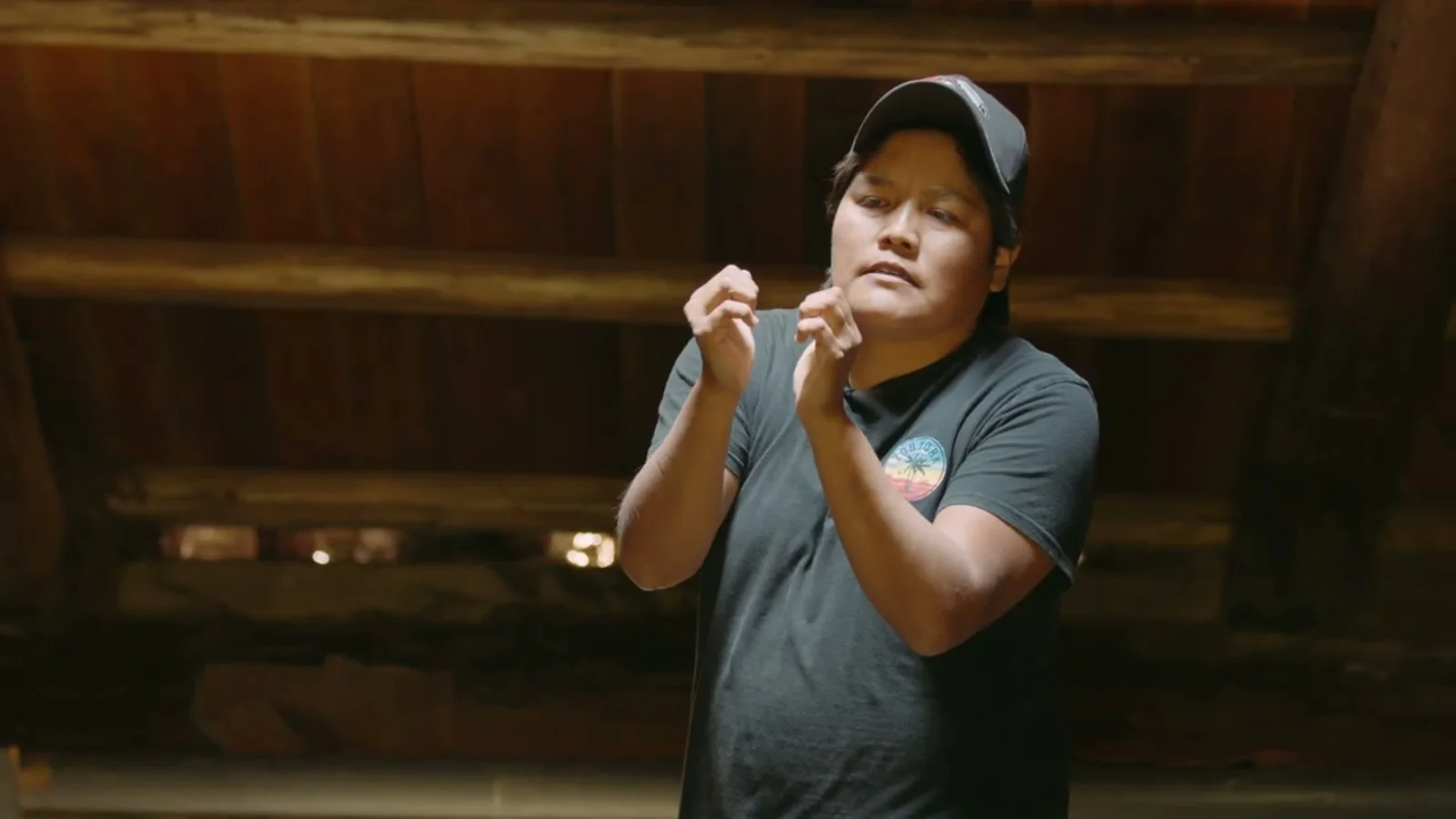
That warmth is visible in the lessons. Shona Bruce, Barb Du Tot, Tiffany Furlong, Molly Cooperman and Laureen Felix teach with objects, tools, water, bark and maps rather than speaking into an empty room.
The details came home with me.
When they asked what I had learned, I was supposed to name three things. I did not quite stop at three. Salmon eyes were much larger than I expected. I learned more about gills, learned new ways to identify trees, and saw a watershed demonstration I knew I would talk about again.
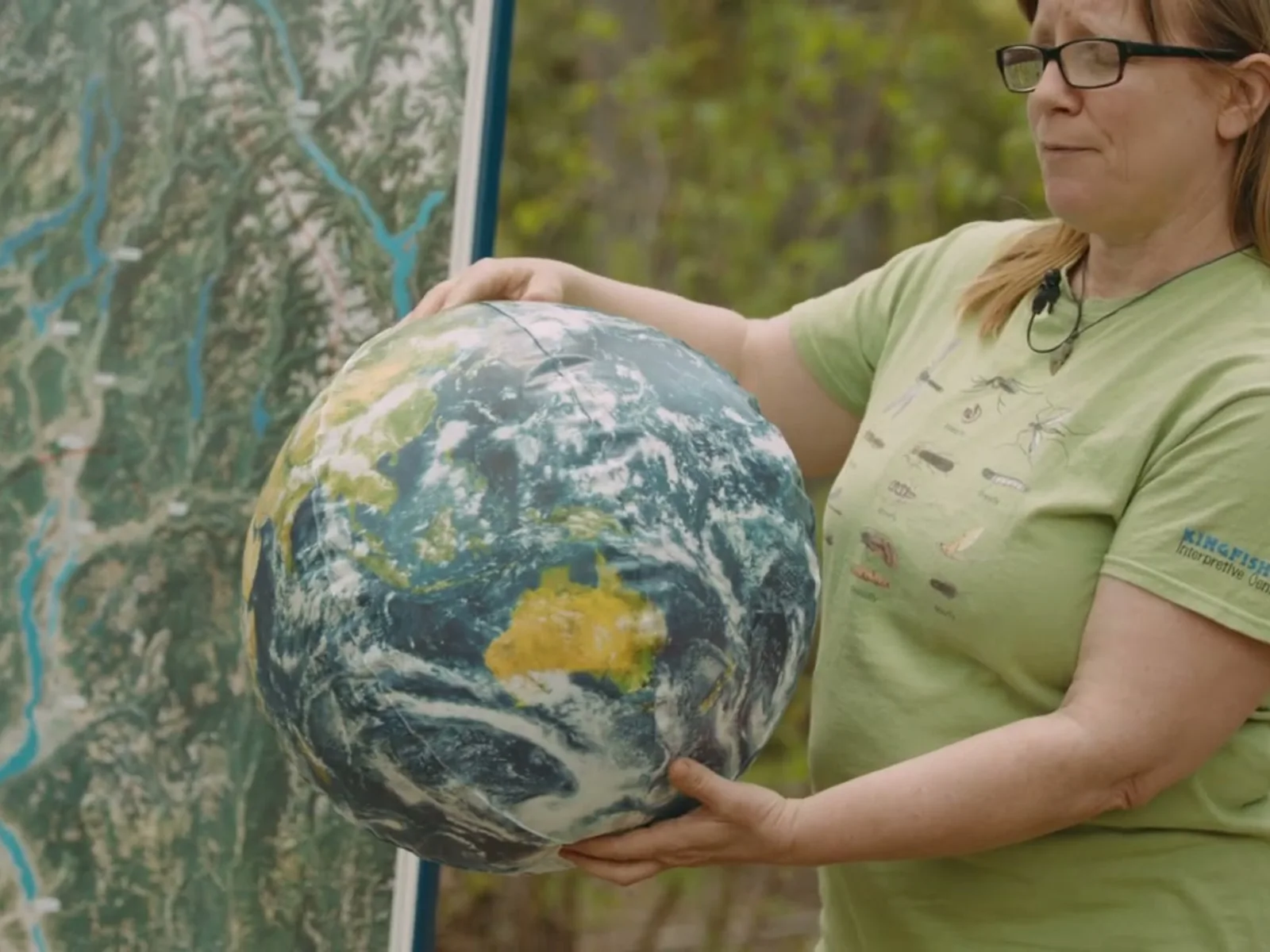
Those details matter on film. Salmon education is a topic; a presenter opening the fish, pointing to the gills or moving water across a watershed model is something a student can follow.
Film the action that makes the lesson clear.
For anyone planning an education film, start with the actions. What will the presenter touch, open, point to, compare or demonstrate? Which part only makes sense at the river, in the forest or beside the tank?
That list gives the camera a job. Wide frames keep the place present. Closer frames show the hand, tool or diagram that carries the explanation. The lesson stays with the person teaching it.
Selected work
Related projects.
View work