
Directing actors for the camera
When I direct actors, I want us to understand the characters and the world they live in before we shoot. Rehearsal is a big part of that. So is working out how much a face, a hand or a turn of the shoulders already communicates to the camera. These are the things I look for, alongside a few frames from The Letter, the short I directed in 2026.
Read it, say it, block it
For me, preparation means rehearsal, rehearsal, rehearsal. I read the script by myself, read it out loud, read it with people who aren’t actors, then with actors. Blocking comes into that process too. I want to get to know the characters and understand the energy of the story.
The space matters. A small home, a mansion and a street give actors different circumstances to work with. Production design and the way people stand or sit in that space are part of understanding the scene.
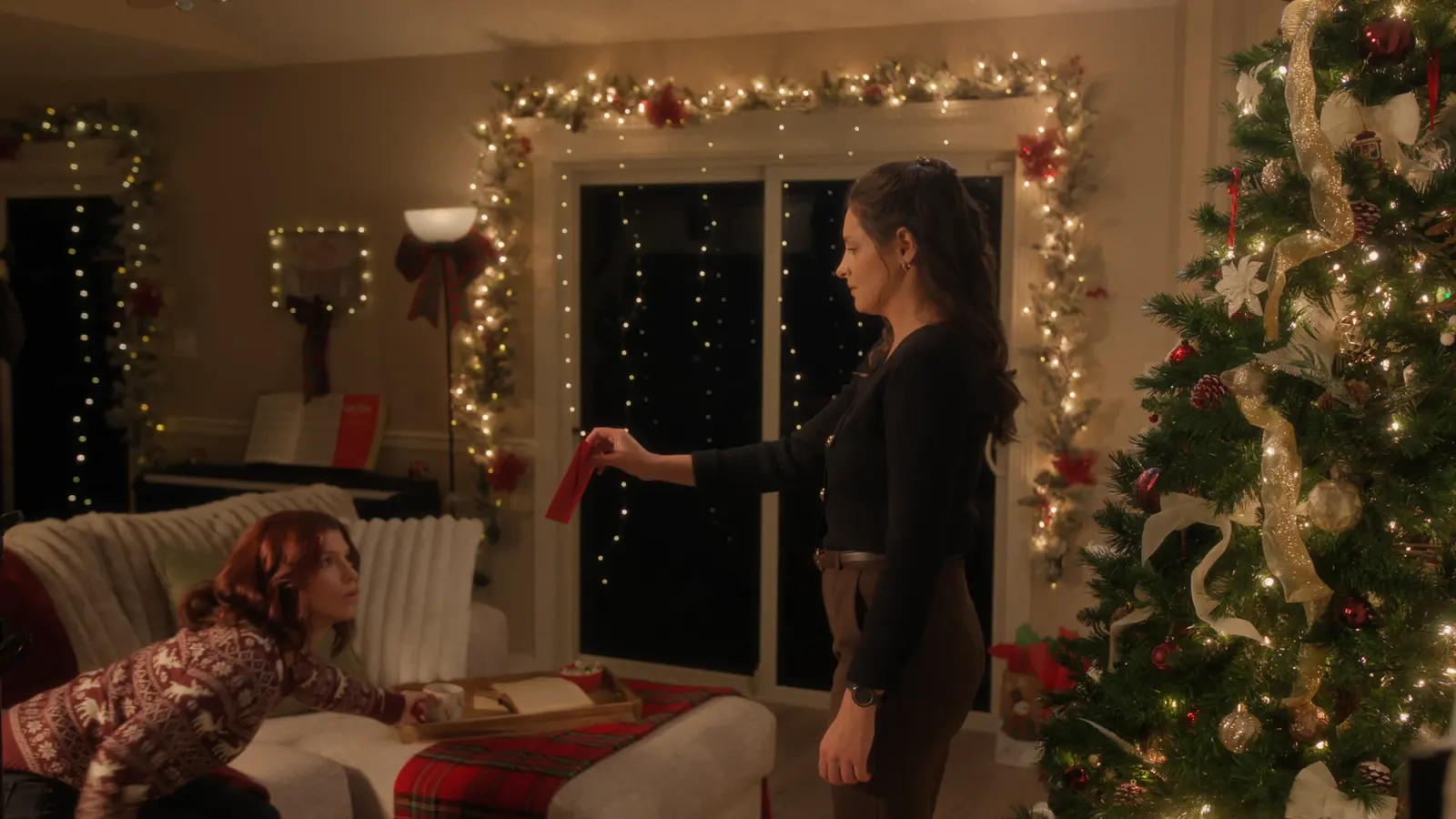
In this wider frame from The Letter, one sister stands with the envelope while the other looks up from the couch. Their different positions and the object between them give us something to follow before we examine either face closely.
Give a clear action, then pay attention
Actors bring their own ideas and experience. I give clear actions and direction to help us build the same world, and that needs to extend to everyone in the scene, including background actors.
I also have to notice when I’m squeezing an actor too much. If the direction is becoming too much, I try to pull back. More direction isn’t automatically more useful.
For screen performance, I often want facial expressions and hand gestures brought down. The camera is close enough to see how someone positions their shoulders, whether they face another person or turn away. Those physical choices communicate a great deal.
Look at the face, hands and scene partner
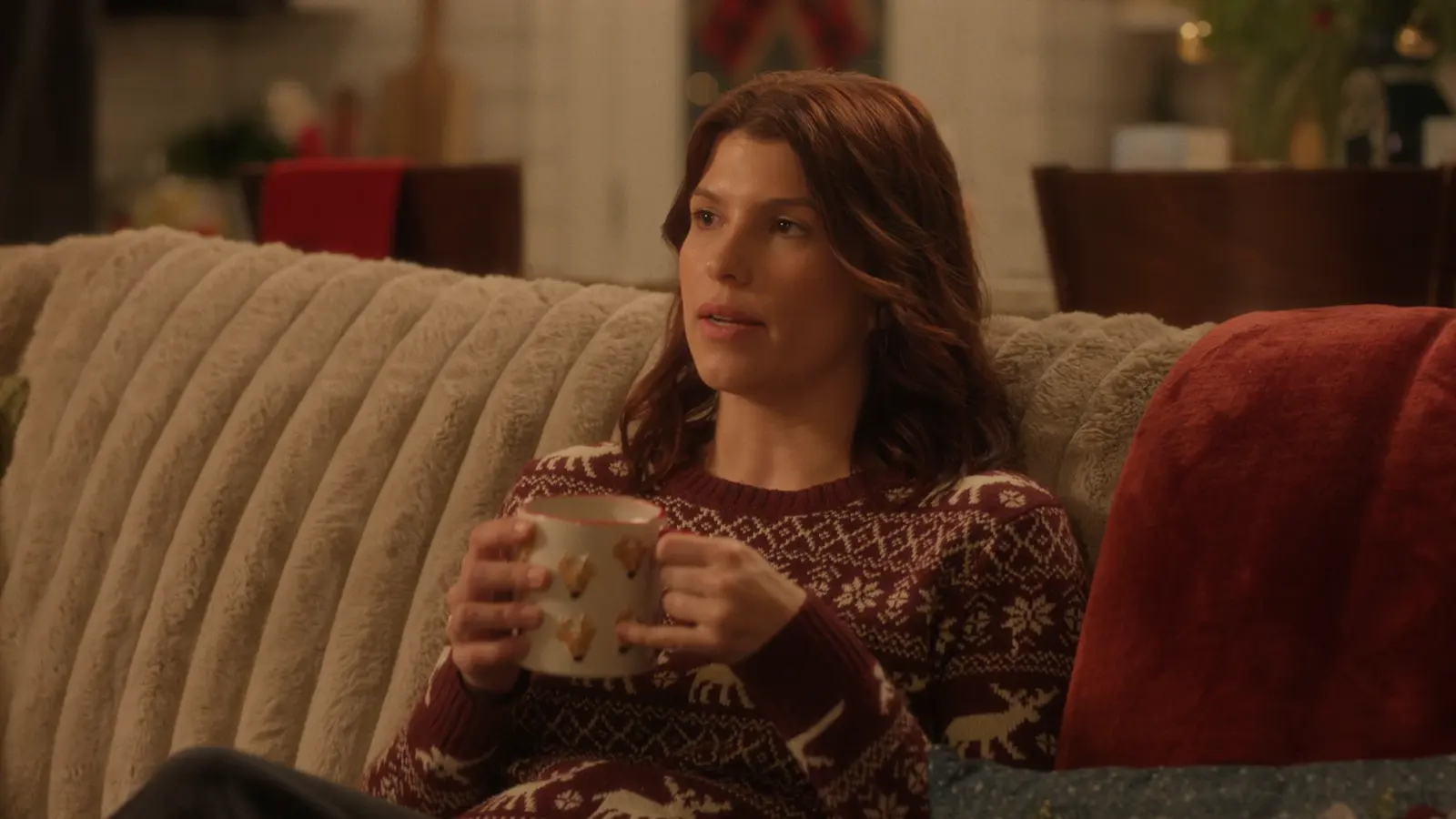
The closer frame below gives the letter, the reader’s lowered eyes and the other sister’s shoulder more of the picture. Compare it with the wider view above: the relationship is still there, but there is less distance between us and the small physical details.
That’s why I’m careful about gestures becoming too large for the camera. I want the audience to understand the emotion and stay engaged in the story. Rehearsal, clear direction and attention to those smaller actions all contribute.

Watch The Letter
The Letter follows two estranged sisters returning to their late mother’s home at Christmas. I directed, executive-produced and edited the film. Harrison Mendel was director of photography, and Levi Price graded it.